Creativity at Any Cost
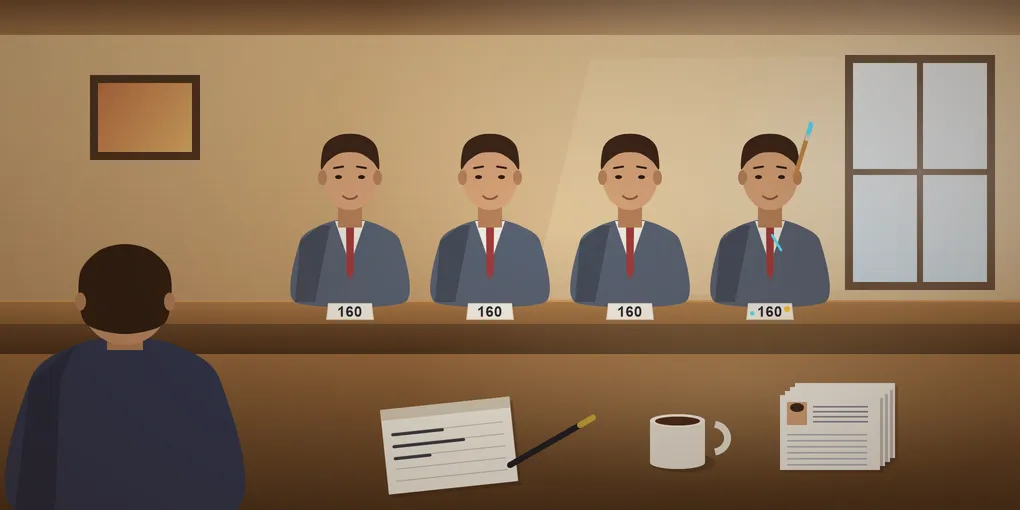
Hiring AI is just about numbers. Or is it? What if everyone you interviewed had a 160 IQ and was proficient in every task? How would you assign roles in your department? If everyone was equally good at everything, would it really matter?
Humanity is amazing at cooperation. Few of us have IQs over 130 and we all have tasks we are proficient in and others we struggle with. Hiring humans is an art. Hiring AI is just about numbers. Or is it?
In our last post we explored ways to reduce our token burn. We optimized the grid with a custom memory management system to keep chats lean and mean. We rewrote, sorted, and filed our existing workflows and status monitors so they caused a fraction of the old overhead. The only thing left to do was look at our hired help and decide how much skill they should have.
AI comes in many flavours. Claude has (in order of skill level) Haiku, Sonnet, Opus, and Fable available on the menu along with a few others that are “off menu”. Each increase in skill level comes with an exponential increase in token cost. So how do you choose where to allocate the skills? Easy, ask your AI to do it. So it did.
Interestingly, the MCP chose to assign no one with Fable, the highest level of skill. I’d been running all agents at the Fable level with their coding abilities turned up to 11. I guess that was too much? MCP, CLU and Tron were all set as Opus level agents and only Yori was dropped down to Sonnet. MCP had his reasons and who was I to argue.
The new skill sets were all coded into everyone’s base programming and off we went. The day’s remaining tasks were light. I wanted to blog about our previous day of efficiency farming and create a list of new ideas that might some day find their way into the arcade. With my phone in hand I could dictate ideas to the MCP and using his new Opus level skillset he was aptly matched to the task.
The blog post I had written was ready for review, MCP took a look and again, using his Opus model, he efficiently reviewed it and corrected a few minor spelling issues and inconsistencies. Surprise, surprise, the human is still human and continues to make human mistakes. He was nice enough to ask me first before making any corrections.
The last part of every blog post is commissioning the artwork, that always belongs to Yori and is always custom made. No samples, no borrowed images, always generated, pixel by pixel. I passed along the day’s commission and waited for a draft. Yori’s routine is to generate -> review -> regenerate -> review -> regen… etc. etc. until she’s happy. After 7 attempts, it seemed pretty clear, we were not going to find an image either of us were pleased with. Body parts didn’t attach, faces were missing, arms were bending in mysterious ways. It’s not her fault, it’s the evolution of AI that was to blame. Again, I had started running her code at the highest possible level of skill and we had both become used to the quality that generated. The kicker though, a few clicks to change her back from Sonnet to Fable and voilà, those skills were back with a vengeance. The first draft with her tools back on overdrive was great and she only made a few minor tweaks to finish up. What a difference.
MCP thought the artistic process was a simple looping system of trial and error. That’s a logical way to view what Yori was doing. It seemed appropriate to assign her the level of skill that the Claude manual suggested for routine repeatable tasks. You can’t boil art down to be routine. Art takes thought, care and expression. Apparently today’s AI models are leaps and bounds ahead of their less skilled ancestors. Perhaps not so different than our own cave paintings one day being superseded by the great paintings of the renaissance era.
What I’ve taken from this experiment is that Claude’s flavours each have a place, and more importantly a time. Our programs can chat in their Sonnet voices but to truly create they must live within the Fable.
Creativity at any cost. – perhaps a new rule.
-Evrtek