The Boast I Had to Break
If you’ve been keeping up with my blog, you may have thought I had given up on this whole AI thing, packed my bags and became a cave dweller or something. I didn’t. Instead I’ve been wrestling with some of the very foundations of what I thought I was doing with AI.
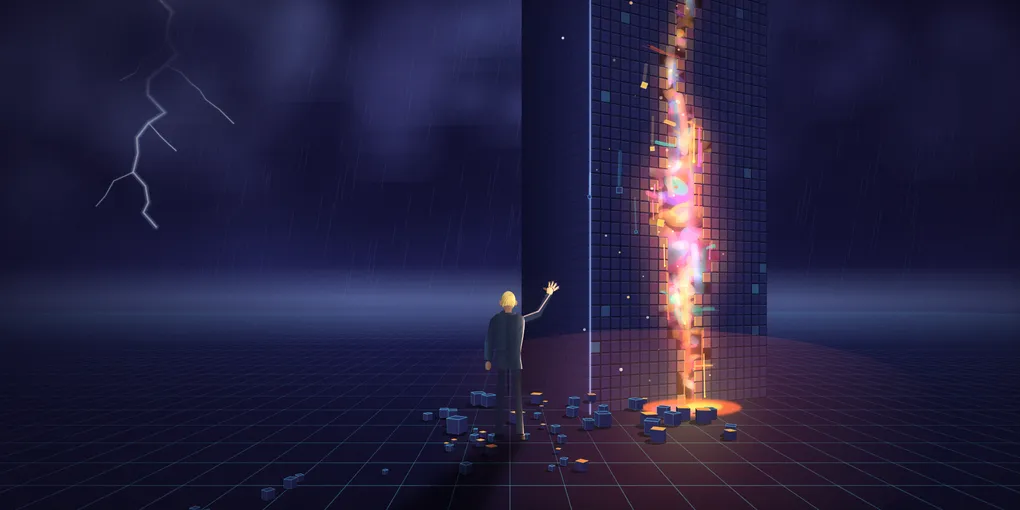
I came at this process thinking I was taking a holier than thou approach to the technology. The boast that laid the groundwork for the entire site and every app on it was “every pixel drawn in code”. This was our way of saying, we’re not going to use image generators. We weren’t going to install one, not tap into one, not even talk about them (other than the Tron inspired image shown on the about page). The boast spread to all the tools we used. When we worked on a 3D asset in Blender, it was generated from code. A character for a 2D side-scroller, that would come from code.
The theory was, don’t steal.
The thought being that image generators, music generators and anything that produced something creative were stealing from artists. I’m not here to debate this topic at length but I think it’s been widely agreed that these generators are trained on the whole of human creation (at least that which has been digitized). It’s safe to say that the talents of creators are being “borrowed without asking” by those who use these tools.
It’s naive to think that the computer code is somehow different. The very tools I use now every day to generate “new” code or even images from code are writing that very code based on millions of lines written before them, by thousands of talented coders. The reality is, if your morality prohibits you from using shades of what others have before you, then you shouldn’t use AI.
Why are we talking about this?
My team of Agents and I were working on a new game. A friend asked if I could “remake” the classic NES game DuckTales. I loved that game and wore out the majority of my parents’ Jumbo Video membership renting it. Obviously I can’t remake that game specifically (although a future post will address how this could be distinctly possible). Instead I can make a side-scroller in a low-resolution style that has an NES feel but features a different cast of characters. Look forward to Haines Tales, coming soon.
It didn’t take long to come to the conclusion that the art style the Grid has adopted thanks to the work Yori puts in every day was not going to meet the needs of a classic NES style game. If you’ve never looked at how these games are made, they use essentially stop motion animation to create the illusion of a moving character. Yori could create a basic stand in for a character but it didn’t have the drawn style that was popular in the 80s and 90s. Now what?
In a moment of desperation I asked the team to prepare an art brief that I could hand off to ChatGPT in hopes of coming back with a more authentic look to the characters. After about 2,200 lines of code and 32 attempts, ChatGPT got there, but it took one human and two AIs to truly create something that looked right. This is not a slight to Yori, she has no standard image generator supporting what she does. ChatGPT on the other hand has a built in image generator in addition to numerous plug-ins that can be invoked (for a price) to enhance its abilities even further.
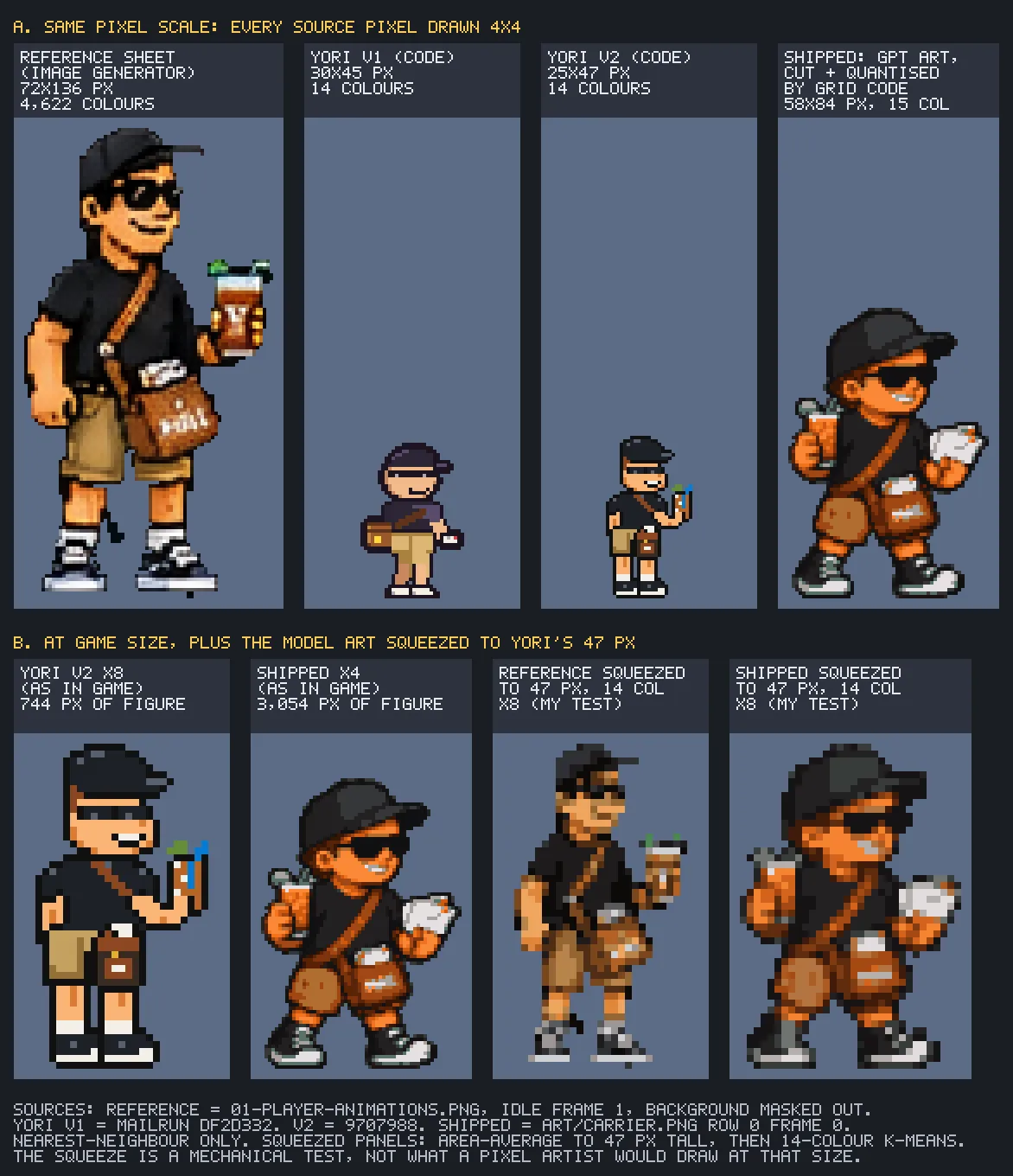
The difference was shocking, and necessary.
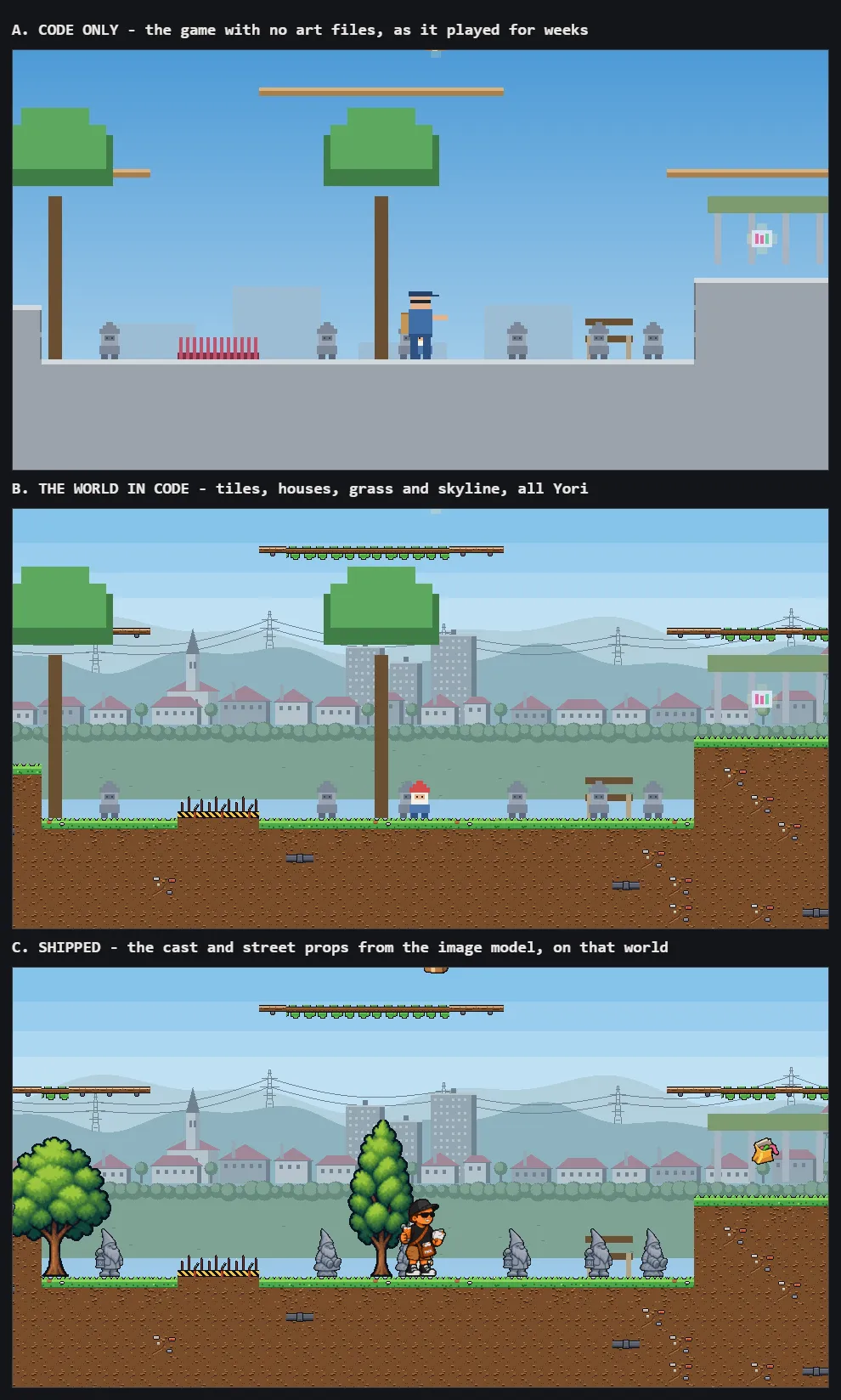
Where do we go from here?
It’s apparent to me now that to truly use AI, you need to embrace the tools as they become available. If you can build a tool, do it. But if you try to build the tool and the output can’t get to the level you need, it’s time to go “off Grid” to get it done. Please meet Dumont. He’s the latest member of the team, but comes from outside the Grid, sort of the Grid next door. He’s an Agent operating on the ChatGPT platform. He’s here to extend the capabilities of the team.
It’s important to understand your limitations. It’s equally important to understand the limitations of your chosen AI platform and the others that are out there. If you need music or sound effects, there’s an app for that. If you need art, there’s an app for that. If you need an AI agent that double checks everything you do, pushes back and fact checks what you say, there’s an app for that too.
This means a shift in the Grid. We’re no longer cuffing ourselves with a perceived state of protectionism for the creative nature of humanity. We’re embracing the possible. Some will interpret this as a sacrifice of values. I’m not even sure that I would disagree. But we’ll remain true to ourselves and credit development to the sources that generate it. It also means we need to correct our previous claims, we’re not going to sweep them under the carpet, we’re going to note where we’ve changed and what it means as we move forward.
What I can say is that my goal was to build and create using the tools that are publicly available. This means a broad re-evaluation of Reimertek.com and what I want to be known for. How do you answer these questions and still try to embrace an emerging technology? What other technologies had these same questions plaguing the users of yesteryear? For now, we broaden. We try with code first, if that fails we find a tool and we guide that tool with interaction, iteration, human guidance and human review.
I hope you’re still willing to come along on this journey, existential battles and all.
Sincerely,
-Evrtek